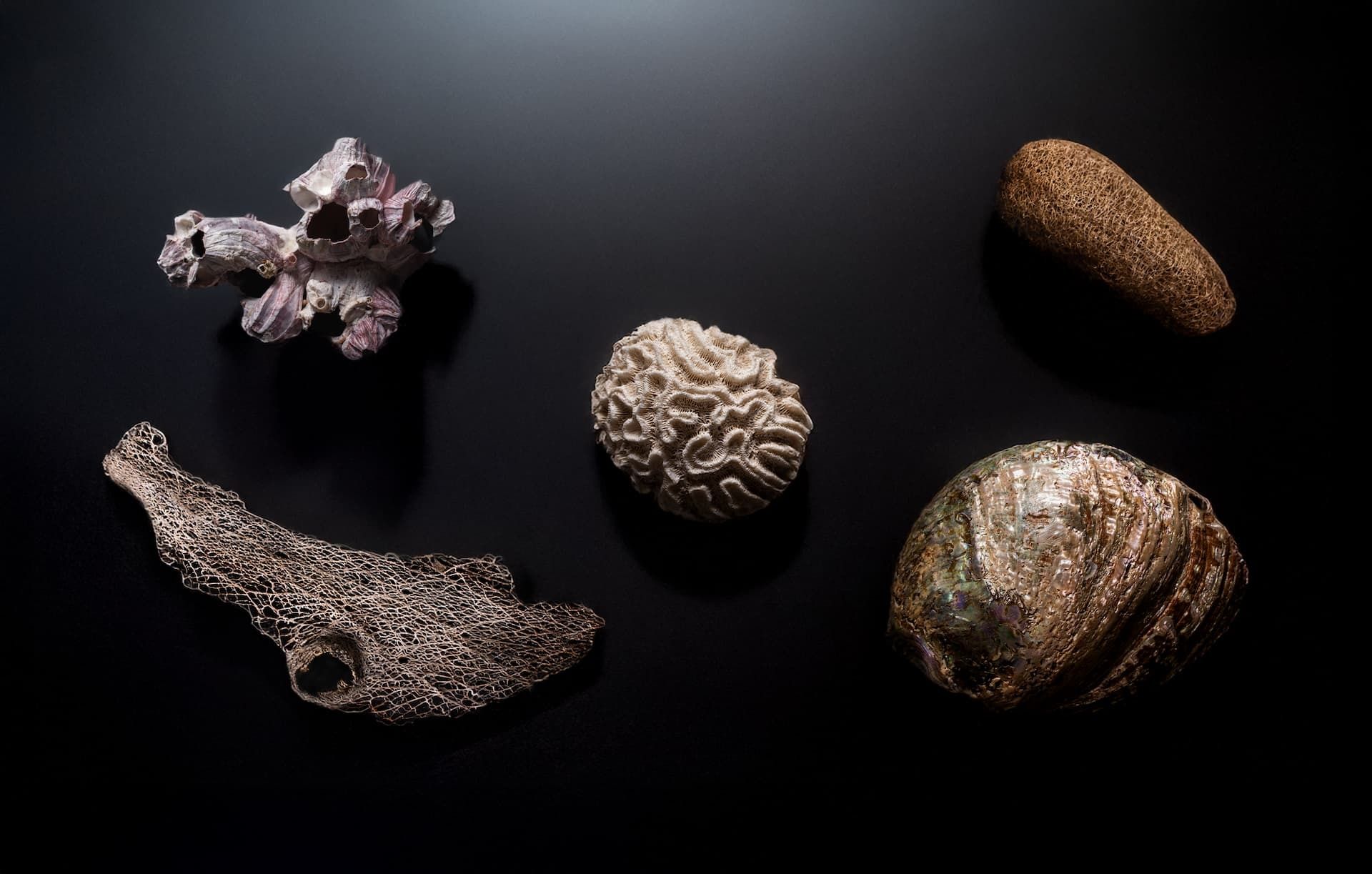
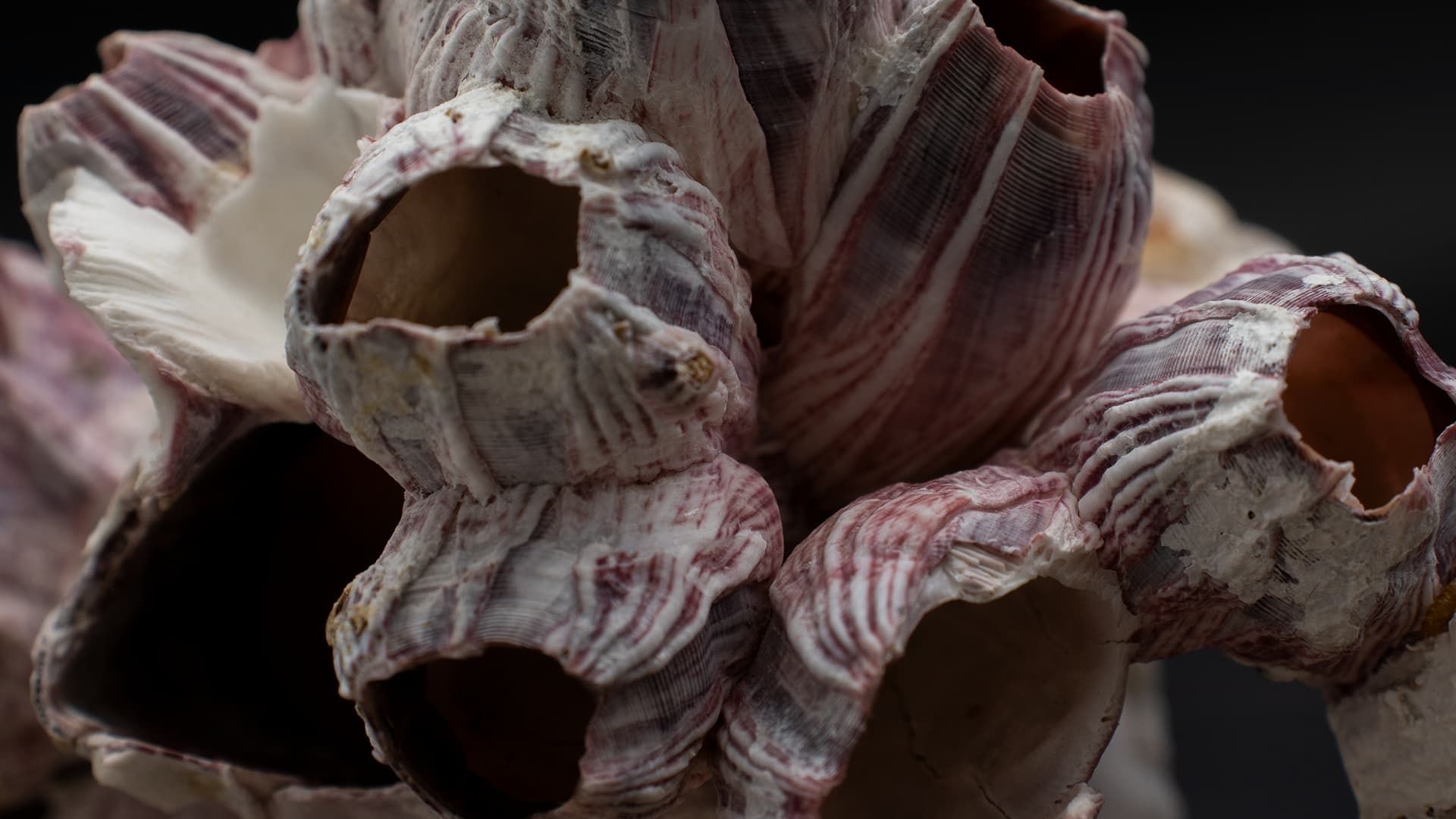
Barnacle
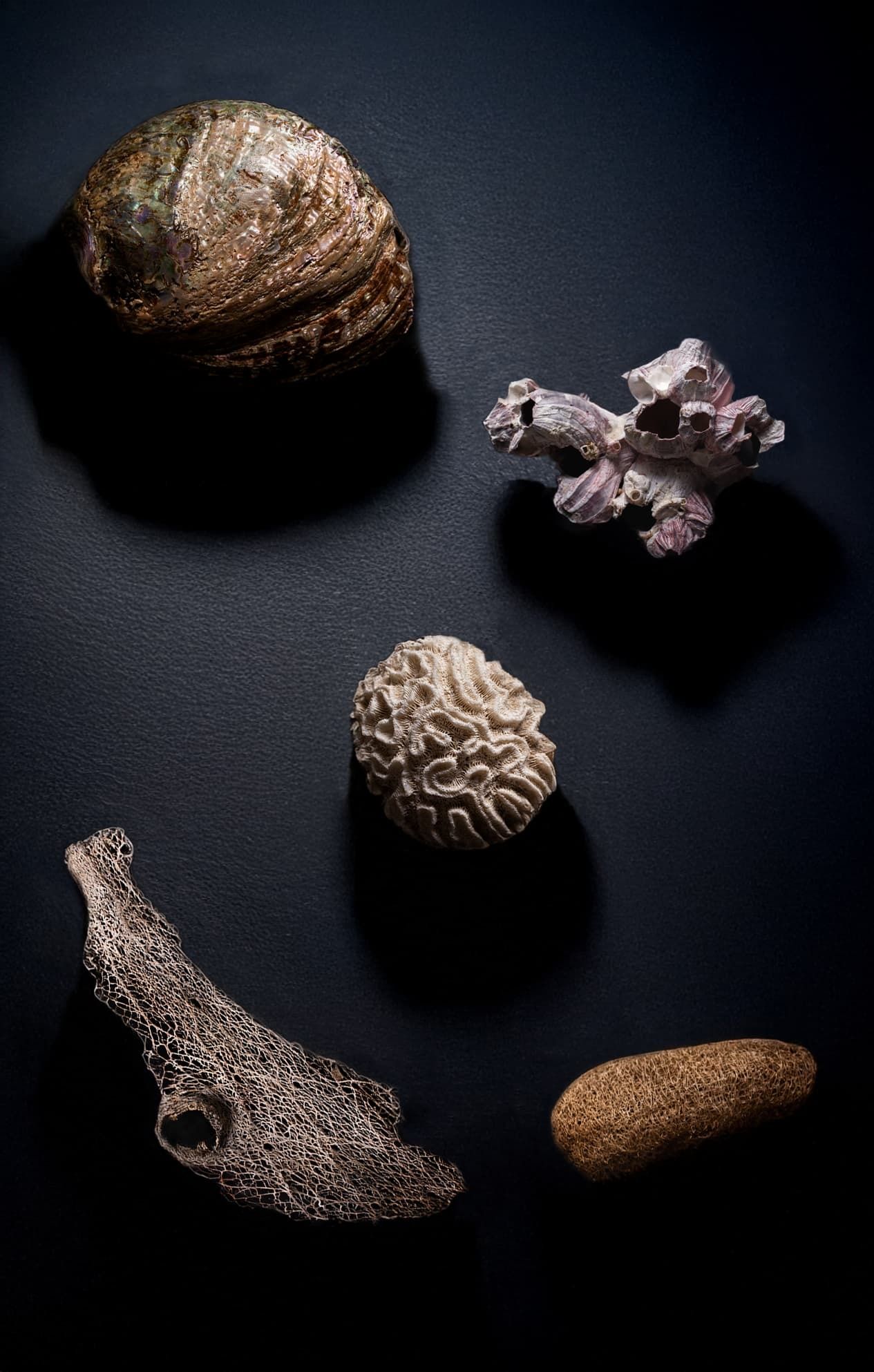
Barnacles are small crustaceans that attach themselves permanently to rocks, ships, and even whales, producing one of the strongest natural adhesives known. Barnacle glue sticks underwater better than most synthetic adhesives. For that reason, researchers are studying its composition to develop biodegradable medical glues for surgeries and wound healing.

Luffa
Luffa is a long, vine-grown fruit from the cucumber family. When dried, its fibrous interior creates a natural, lightweight sponge structure. The intricate, three-dimensional vascular network of dried luffa has interesting properties in relation to biodegradable soundproofing panels, bio-based packing materials, and even lightweight composites in sustainable architecture.
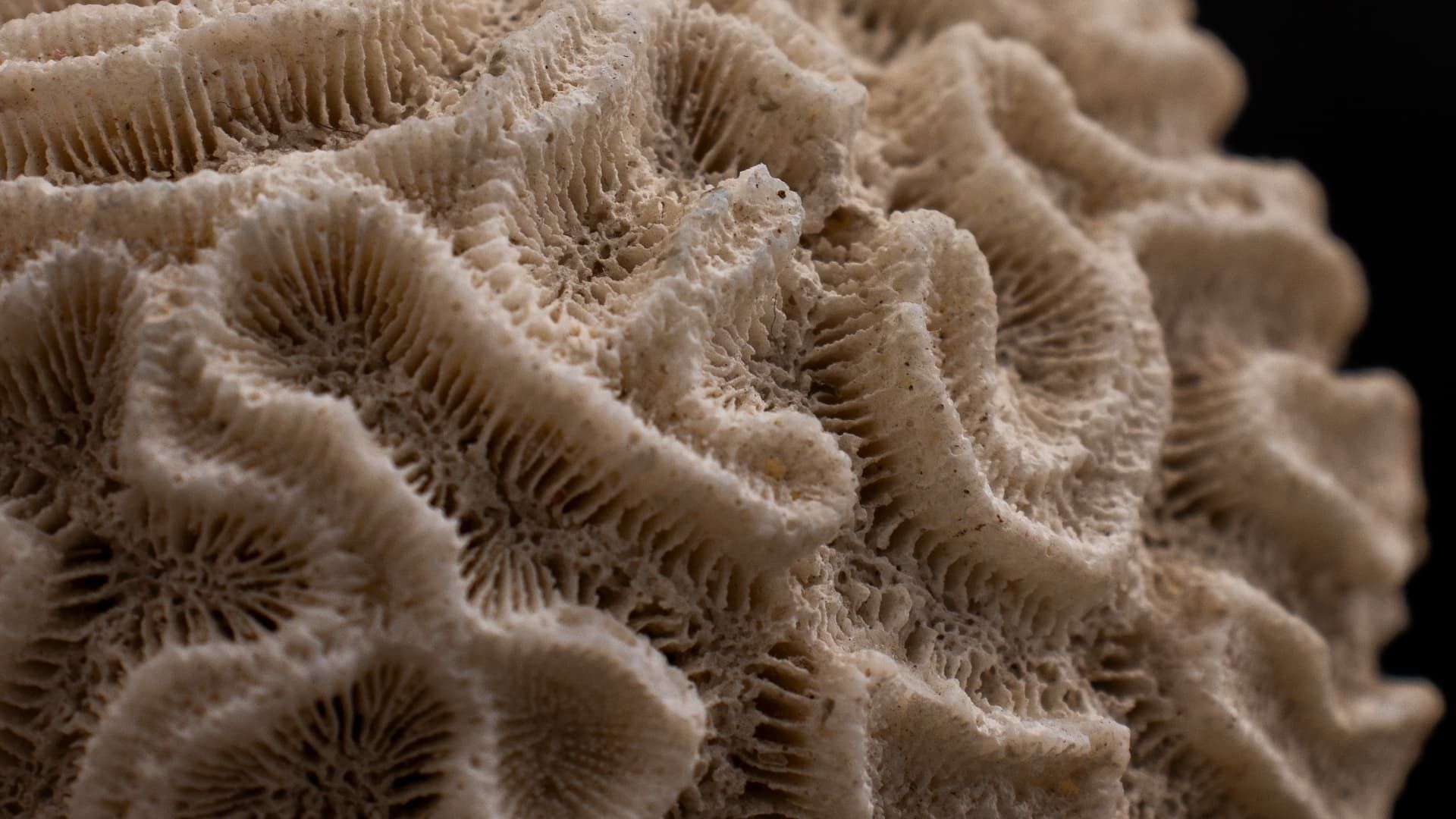
Coral
Corals are tiny marine animals that build massive reef ecosystems by secreting calcium carbonate. Though they look like plants or rocks, they’re actually living colonies of thousands of polyps working together. They are home to 25% of all marine life and also reduce wave energy, protecting coastlines from erosion and inspiring eco-friendly coastal designs.
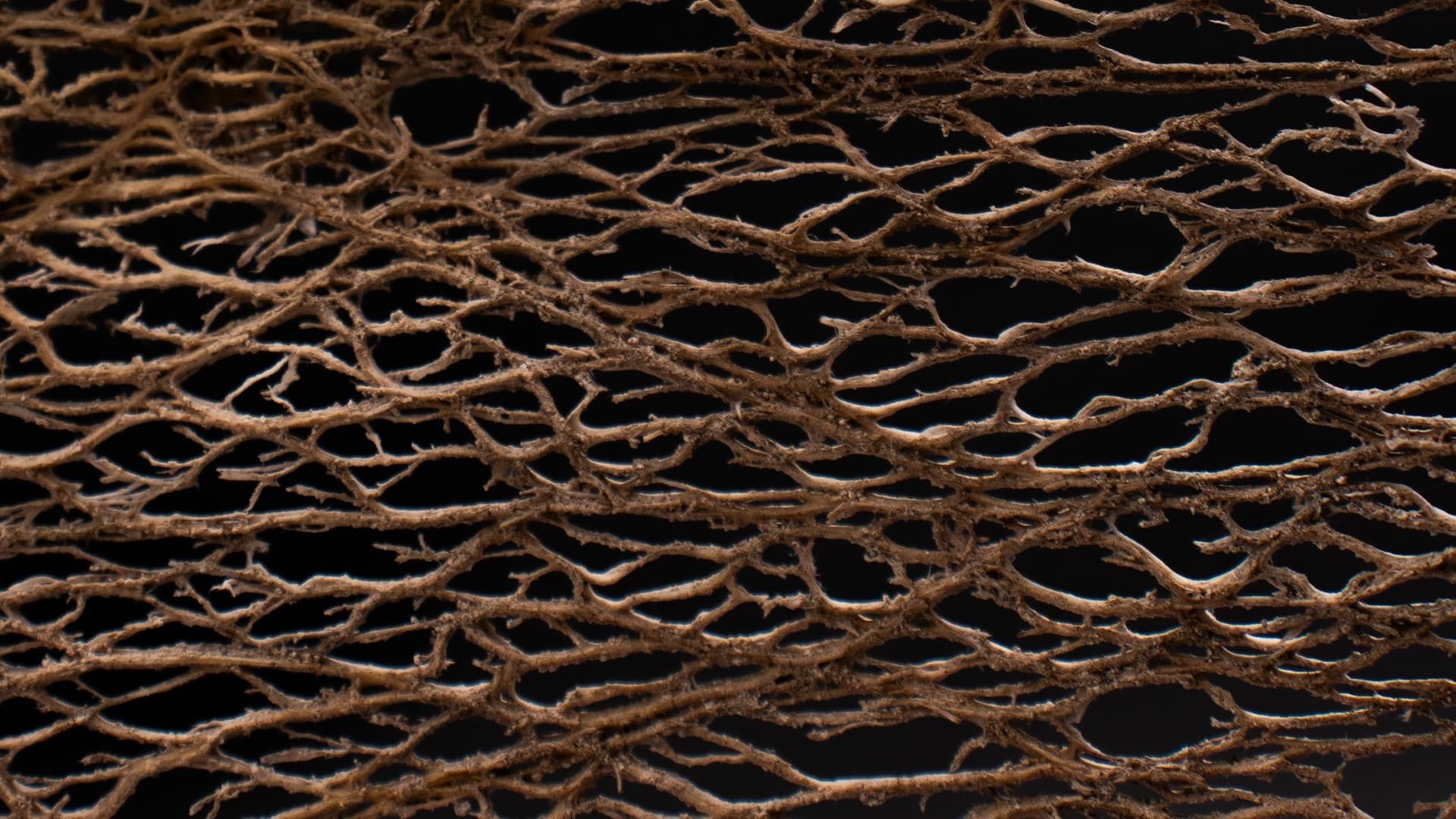
Cactus inner structure
The internal skeleton of a cactus provides structural support while maximizing water efficiency. This woody lattice remains intact long after the plant dies, inspiring lightweight architectural designs and bio-inspired water filtration systems that mimic its water retention properties.
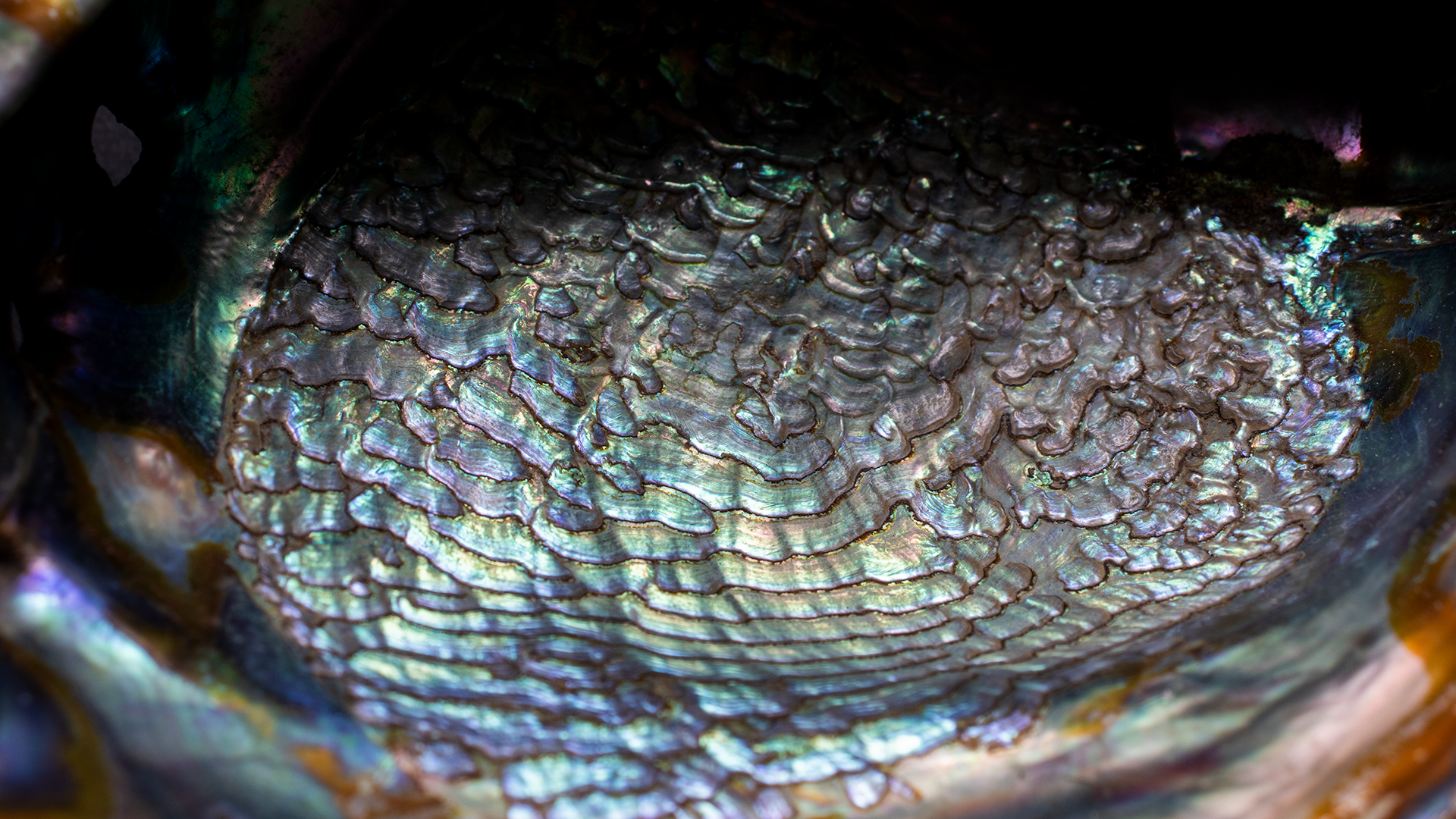
Abalone shell
The abalone shell is made of nacre (mother-of-pearl), a material known for its stunning iridescence and incredible strength. Despite being made of a brittle material (calcium carbonate), abalone shells are 3,000 times tougher than their basic components due to their layered, brick-and-mortar nanostructure.
Barnacle
Barnacles are small crustaceans that attach themselves permanently to rocks, ships, and even whales, producing one of the strongest natural adhesives known. Barnacle glue sticks underwater better than most synthetic adhesives. For that reason, researchers are studying its composition to develop biodegradable medical glues for surgeries and wound healing.
Luffa
Luffa is a long, vine-grown fruit from the cucumber family. When dried, its fibrous interior creates a natural, lightweight sponge structure. The intricate, three-dimensional vascular network of dried luffa has interesting properties in relation to biodegradable soundproofing panels, bio-based packing materials, and even lightweight composites in sustainable architecture.
Coral
Corals are tiny marine animals that build massive reef ecosystems by secreting calcium carbonate. Though they look like plants or rocks, they’re actually living colonies of thousands of polyps working together. They are home to 25% of all marine life and also reduce wave energy, protecting coastlines from erosion and inspiring eco-friendly coastal designs.
Cactus inner structure
The internal skeleton of a cactus provides structural support while maximizing water efficiency. This woody lattice remains intact long after the plant dies, inspiring lightweight architectural designs and bio-inspired water filtration systems that mimic its water retention properties.
Abalone shell
The abalone shell is made of nacre (mother-of-pearl), a material known for its stunning iridescence and incredible strength. Despite being made of a brittle material (calcium carbonate), abalone shells are 3,000 times tougher than their basic components due to their layered, brick-and-mortar nanostructure.